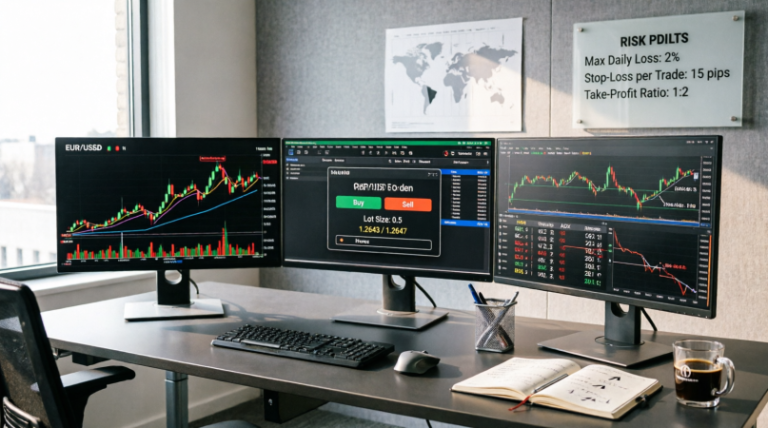
The foreign exchange market has evolved dramatically over the past few years. As we move through 2026, Forex trading continues to attract millions of participants worldwide, from retail traders to institutional investors. But what’s different now? How can you navigate this complex market successfully? Let’s break it down.
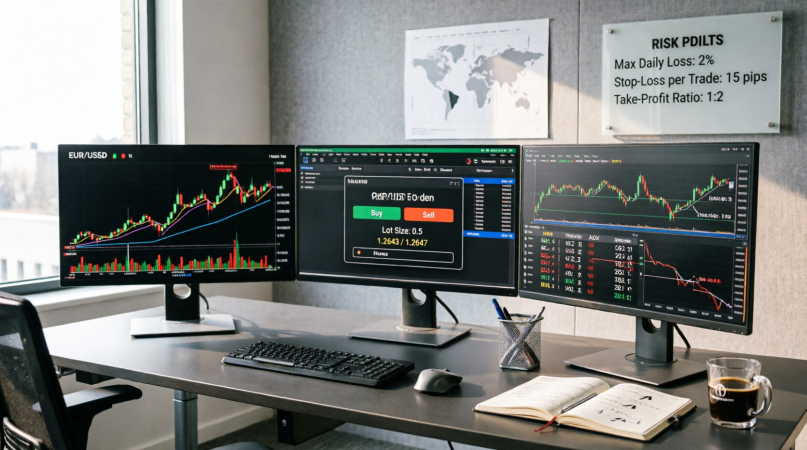
The Modern Forex Landscape
Forex remains the world’s largest financial market, with daily trading volumes exceeding $7.5 trillion. What’s changed is accessibility and technology. Today’s traders have instant access to sophisticated charting tools, AI-powered analytics, and mobile platforms that execute trades in milliseconds. The barrier to entry has never been lower, but the competition has never been fiercer.
Major currency pairs like EUR/USD, GBP/USD, and USD/JPY still dominate trading activity, but we’re seeing increased interest in emerging market currencies and crypto-forex hybrids. Central bank policies, geopolitical tensions, and economic data releases continue to drive volatility, creating both opportunities and risks for traders.
Key Strategies That Actually Work in 2026
Price Action Trading
Forget the endless array of indicators cluttering your charts. Successful traders in 2026 are returning to basics: reading raw price movement. Price action trading focuses on candlestick patterns, support and resistance levels, and market structure. This approach works because it reflects real-time supply and demand dynamics without lagging indicators.
Risk Management Is Non-Negotiable
The traders who survive and thrive share one common trait: disciplined risk management. Never risk more than 1-2% of your account on a single trade. Always use stop-loss orders. And here’s the golden rule—preserve your capital first, chase profits second. In a market where leverage can amplify both gains and losses, protecting your downside is what separates professionals from gamblers.
Algorithmic and Social Trading
Automated trading systems and copy-trading platforms have democratized access to sophisticated strategies. While you shouldn’t blindly follow algorithms or other traders, these tools can enhance your decision-making when used wisely. The key is understanding the logic behind automated systems before deploying real capital.

ADS1
Common Mistakes That Drain Accounts
Overtrading tops the list. Just because you can trade 24/5 doesn’t mean you should. Quality setups are limited; patience pays.
Ignoring economic calendars is another costly error. Major announcements like NFP (Non-Farm Payrolls), central bank rate decisions, and GDP releases can trigger massive volatility. Either trade around these events or stay flat until the dust settles.
Emotional trading destroys more accounts than bad strategies. Revenge trading after a loss, moving stop-losses hoping the market will reverse, or closing winners too early out of fear—these behaviors stem from emotions, not logic.
The Role of Brokers in 2026
Choosing the right broker matters more than ever. Look for:
- Regulation from reputable authorities (FCA, ASIC, CySEC)
- Transparent pricing with tight spreads and no hidden fees
- Fast execution without requotes or slippage
- Reliable customer support available when you need it
Beware of unregulated offshore brokers offering unrealistic leverage or bonuses that seem too good to be true. They usually are.

Building a Sustainable Trading Career
Forex trading isn’t a get-rich-quick scheme. It’s a skill that requires continuous learning, practice, and emotional discipline. Start with a demo account, develop a trading plan, backtest your strategies, and keep a detailed trading journal. Review your trades weekly to identify patterns in both winning and losing positions.
Remember, even professional traders have losing streaks. What matters is maintaining a positive risk-reward ratio over hundreds of trades, not obsessing over individual outcomes.
Quick FAQs
Q: How much money do I need to start Forex trading? A: You can start with as little as $100, but realistically, $1,000-$5,000 allows for proper risk management and meaningful position sizing.
Q: Is Forex trading profitable for beginners? A: Most beginners lose money initially. Success typically requires 6-18 months of dedicated learning and practice.
Q: What’s the best time to trade Forex? A: The London-New York overlap (8 AM – 12 PM EST) offers the highest liquidity and volatility for major pairs.
Q: Can I trade Forex on my phone? A: Absolutely. Modern mobile platforms offer full functionality, but serious analysis is still best done on larger screens.
Ready to start your Forex journey? Remember, the market will always be here tomorrow. Focus on becoming a better trader today, and the profits will follow. What’s your biggest Forex trading challenge right now? Share your thoughts below!